
“It was as if someone had finally taken my hand and said, ‘Yes, you can still do incredible things from your sick bed.’” As we note Chronic Illness Awareness Month, these powerful words from Kendra Winchester continue to resonate deeply with me.
I’m JacQueline Roe. In October of 2023, while contracting for Smidgen Press, I became incredibly ill. Those who live with chronic illness or disease will understand the use of the phrasing “flare-up,” or that I came “out of remission.”
This article is not about my own crisis, but about our exploration at Smidgen Press, looking at how classic authors have a long history of facing chronic illness and/or disease, revealing a surprising connection to enhanced imagination. Illness is never something to minimize, dismiss, or wish on anyone. But this July, we pause to honor those—past and present—who live with chronic conditions. Your strength matters. We see you.
For clarity, within the medical community…
- a chronic condition is endured fifteen or more days each month;
- an illness is a sickness from which one might recover; and
- a disease is chronic, progressive, and ultimately fatal.
We have been very specific to note which authors had chronic illnesses and which had chronic diseases as far as history has recorded so that you can be clear what they were facing. Perhaps, like us, you will find encouragement to face your own struggles with renewed hope.
Who are some classic authors that suffered from chronic conditions?
As we shared in a previous post about Louisa May Alcott, she struggled with chronic pain and the disease lupus, yet lived an amazing literary life that charmed readers with bright, hopeful characters. We mentioned others in our post on mental health awareness. But who else strove against similar hardships that we can learn from?
We don’t have to dig very deeply to find literary examples.
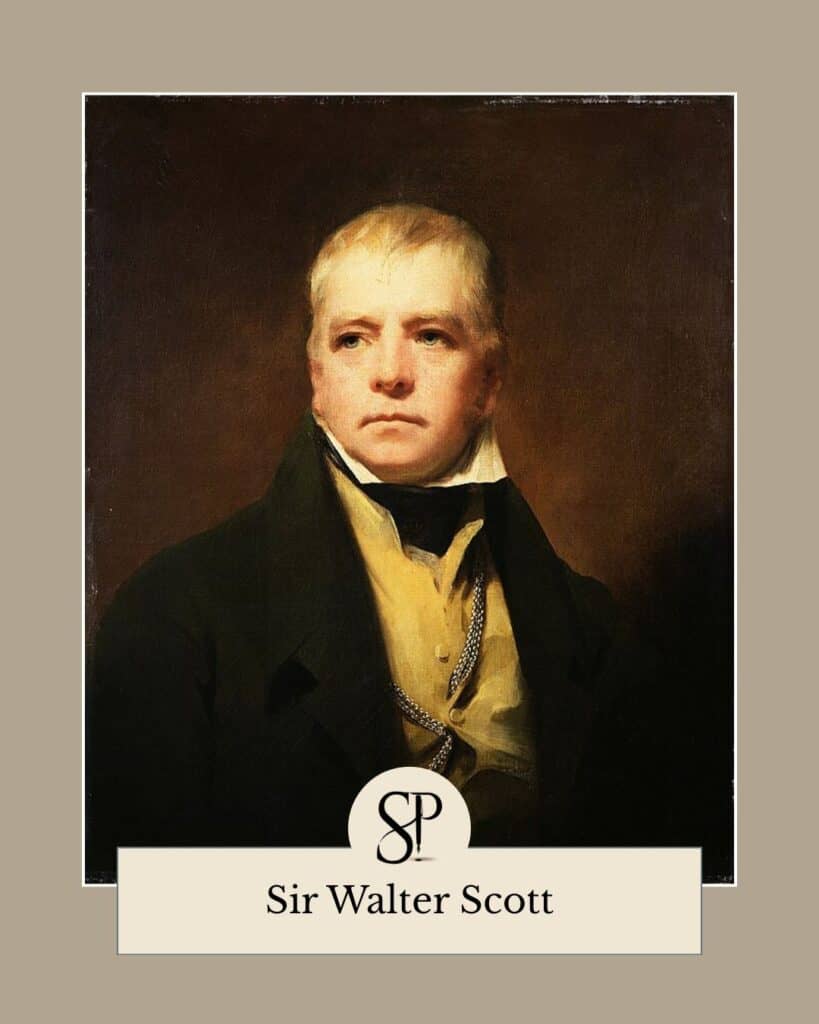
Sir Walter Scott
Author Sir Walter Scott, who wrote books like Ivanhoe and Rob Roy, struggled against lameness brought on by polio very early in life. Literary historians believe his many bouts with illness created a hunger for adventure in the fictional world in which he could escape the pain he endured. He most likely became an early reader due to these problems.
And it wasn’t just the physical issues of his maladies that were a hardship, but also the treatments commonly used by physicians of his time. Any patient with chronic conditions is intimately aware of such dangers, though over the years medical science has tried to improve in order to reduce such occurrences.
Sir Walter was bled and blistered in adolescence, and because of mystery illness(es), he returned time and again to his books. This article at the National Library of medicine states, “Thus disease had no small influence determining the direction of Scott’s genius during the formative period of his life.”
Scott had further abdominal issues related to the gallbladder that might have incapacitated a less diligent man, but he produced some of his greatest works during this period. Those who struggle with irritable bowel syndrome (IBS) or other digestive distress know this pain far too well. But could we owe Scott’s genius to his illnesses and disease? Perhaps.
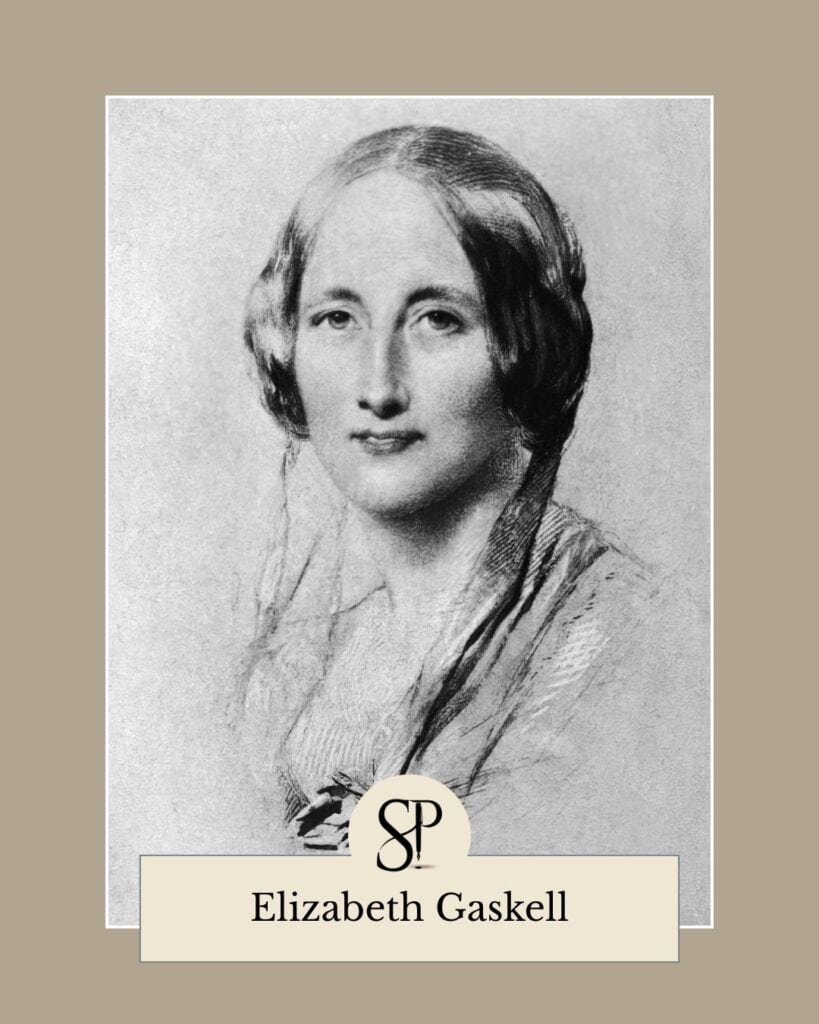
Elizabeth Gaskell
Elizabeth Gaskell, a friend and fellow author to literary genius Charlotte Bronte, battled terrible headaches. This illness was debilitating and made its way into her writings, as she created characters who lived in agony like she did.
Did her pain help her look beyond the surface of people and situations so she could pen novels with the depth of Ruth and also North and South, whose characters struggled against great odds in society, and also suffered physically, some of them losing their very lives? It is quite likely.
Marcel Proust
Marcel Proust, who produced such works as In Search of Lost Time and also Time Regained, lived a life complicated by severe asthma, eventually losing his life to it.
Proust’s literary work has been hailed as some of the most important of the 20th century. But … asthma? With modern medicine, we could be dismissive of his ailment. But during his time? And even now without proper treatment? Asthma can be deadly, and it profoundly shaped and impacted Proust’s work.
Tom Lee writes in The Paris Review, “From his childhood onward, Proust’s frailty had lead to him being spoiled, indulged, and protected. As he grew older, these habits became a structure through which he could legitimize his desire to withdraw from the world and give himself only to his work. The compulsions of creativity and of illness become inseparable.”
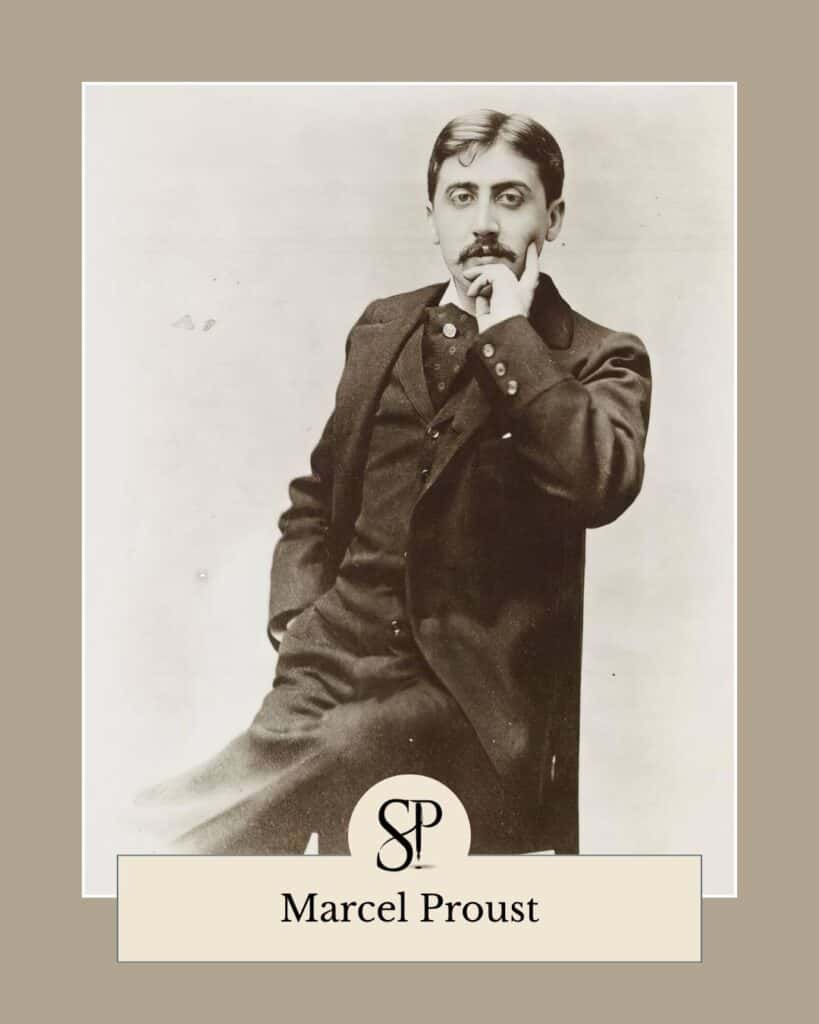
Critics have gone on to conclude that the heightened senses found specifically in In Search of Time are directly related to the author’s self-isolation and strange living habits, which Lee also spells out in the previous linked article: sleeping all day, layering the walls of his room with cork to dampen sound, even the fact that each cloth used to wipe his nose was immediately discarded after one use; otherwise it would “chafe” his skin.
His work radically influenced our world, just as his world was radically influenced by his disease and sensitivities.
Flannery O’Connor
Winner of numerous awards during her lifetime and afterward, Flannery O’Connor retreated to her mother’s care as an adult, thinking it would be temporary—as so many who suffer from chronic conditions do. Without support systems we can rely on, chronically ill or diseased people cannot function. And so O’Connor discovered her life was forever changed as she lived dependent from that point on.
O’Connor frequently portrayed characters with disabilities, just as the author was herself disabled by her own disease, lupus. Often telling stories of violence, she nevertheless created a world in which grotesquely flawed characters were open to divine grace. As she wrote in her book, The Habit of Being, “Grace changes us, and the change is painful.”
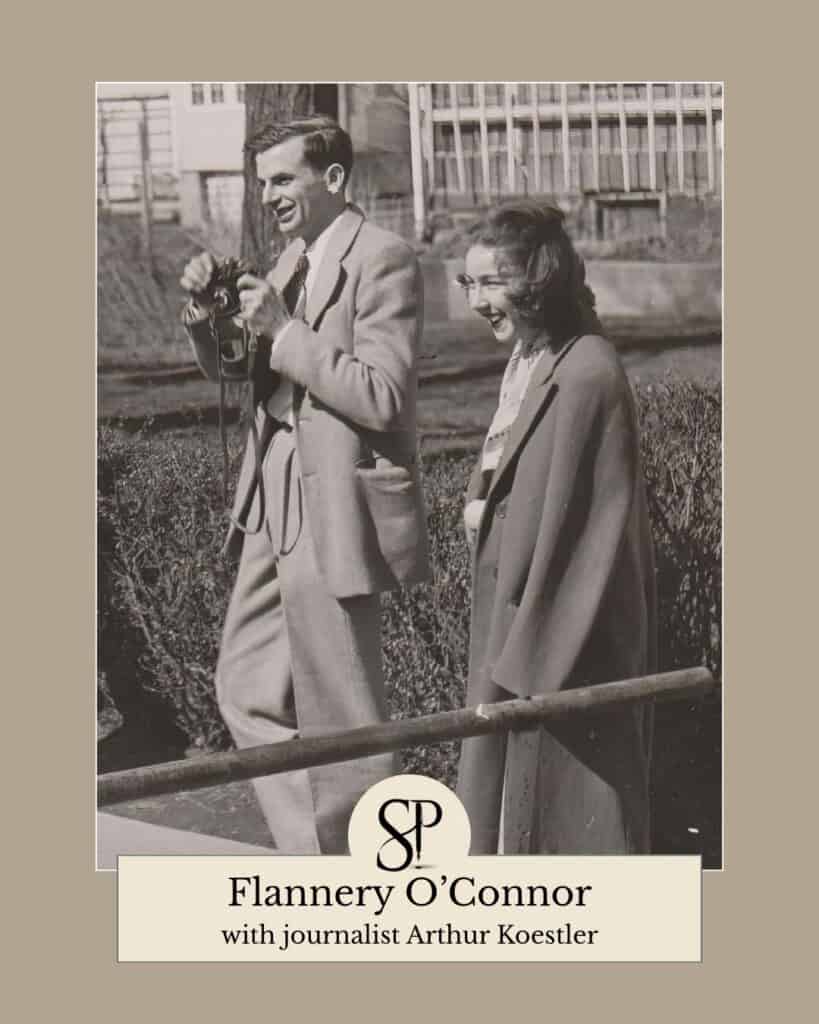
Leaving a legacy for many to follow, I found the following quotes about her life and work not only intriguing, but inspiring in the face of my own limitations. Author Alice McDermott is quoted on PBS.org, saying about O’Connor, “It was the illness I think which made her the writer she is.” And writer Caroline McCoy found hope for her own illnesses: “I read the vibrant, darkly comedic words of a woman whose mortality echoed in every ache and fever, whose daily life was subject to the whims of her malady, and I laugh with her.”
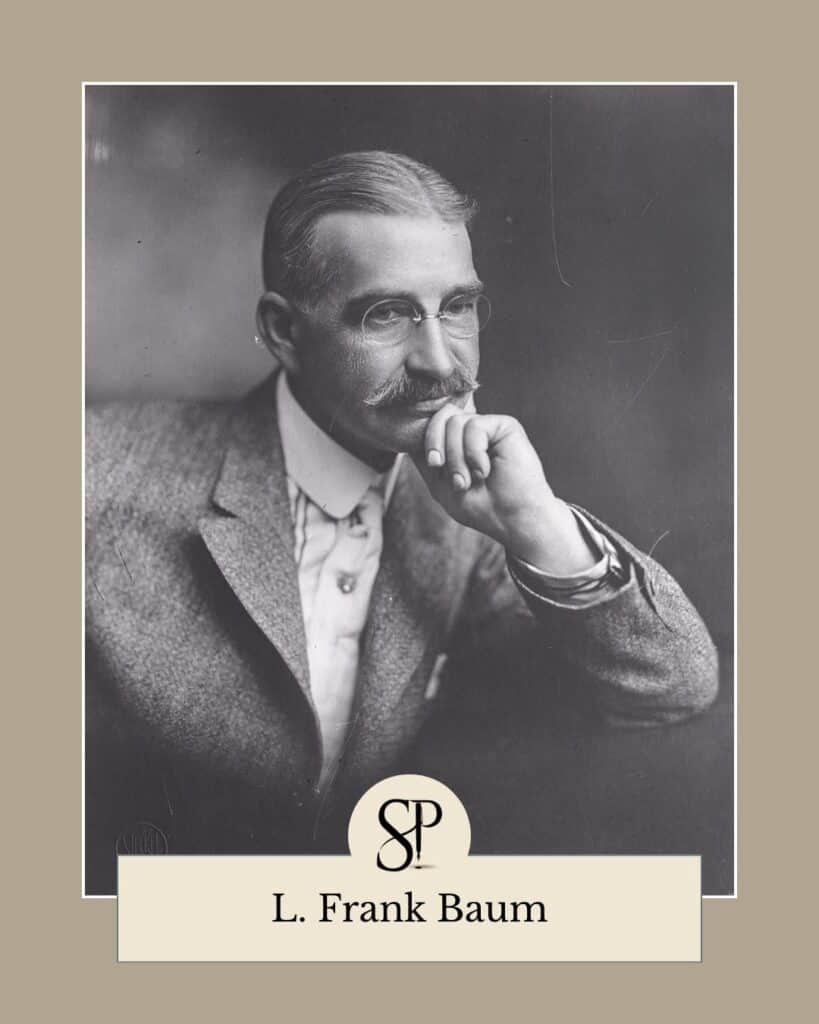
L. Frank Baum
And though there are many more classic authors we could reference ad nauseam, I thought it fun to round this list out with the whimsical L. Frank Baum. I love and find joy that generations reaching to current times have been enchanted with his books about Oz. And in middle school, I was impressed with how early issues with sickness led to his inner world of creativity.
Middle school for me was only a few years before my own illness and eventual disease appeared. The sick room can lead to greater imagination? Could it be possible?
An article for Upstate Medical University states that Baum probably suffered from a heart defect and had a very sickly childhood that led to an enhanced imagination and writing. So this gifted writer’s actual heart disease gave his imagination room to grow and develop, enabling him to create stories we wouldn’t want to live without, would we?
Could healthy living and the writing life coexist for the classic author?
A further phenomenon that also plagued many of the classic authors, and even authors of today, is the unhealthful patterns that a writing life can lead to.
For most writers, writing demands hours of sitting. More recently, the author community has been discussing interesting ways to stay fit, eat healthy when on deadline, and even adopting the computer-gamer phrase about “touching grass” (i.e. when was the last time you left your desk and went outside?). We hear about standing desk setups, or treadmill desks, balance balls, and taking frequent stretching breaks, but movement with writing was not commonly thought of in generations past.
And, can I be truly honest with you? When one is dealing with many health issues, physical activity is hard to prioritize unless it becomes part of the our treatment.
And in a society where we often eat or drink our feelings to numb ourselves to pain? I’m sure you can see how these dominoes topple. Which is why “coming out of remission” or a simple flare-up can feel devastating. You might only touch one domino and they all crash down, but to get them standing up again you must set them up one by one.
Again, medical science has greatly advanced in recent years to help us with our conditions. But it wasn’t always so for classic authors. One need only look to Frank Baum’s later sedentary life (prescribed by doctors) and overindulgent diet to see that one malady can lead to many more.
Happily, though, there were those who did realize a need for physical exertion and healthful living. There exists, and always has among creatives, a questioning of commonly held views. Why must we do things such-and-such way?
Louisa May Alcott urged young girls to both work and play and created female characters who—*gasp—*ran like the author herself did. If one is able to get away from one’s sick bed to do so, how great the benefit! And when Sir Walter Scott was not in his own sick bed, he was often riding on horseback and loved to be outdoors.
So while hard-pressed to live healthy lives, many authors persevered and by their example, we can be encouraged to do so as well. Did I just take a little break; stretching and hydrating? I did!

Hope even if healing isn’t possible
What can we conclude when we look at the journey of these literary giants?
I, returning after a year of hard work, countless doctors appointments, exams, surgical procedures, and so forth, have discovered renewed hope that what you do with your time on this earth, no matter what challenges you may be currently facing, does matter. In fact, I will go so far as to theorize that it will matter to the generations to come after each of us.
Though few of us may create works like Proust and O’Connor, the lives we each lead will touch other lives, creating a ripple effect. How beneficial to not give up the endeavor to struggle well and face those challenges with the certainty that others have done so, too.
And how grateful are we now to see that even some of the most strenuous obstacles in our life may actually propel us to become more resilient, leaving a legacy to encourage generations after us to persevere as well.
JacQueline Roe writes fantasy with threads of Jesus under the author name JacQueline Vaughn Roe and faith-connected romantic comedies as Jackie Q. Roe. A lover of books and fairytales, she enjoys telling stories, asking God hard questions, and laughing with her family and friends. She lives in North Alabama with her amazing karate husband and three book-crazy children. She takes every opportunity to drink coffee while wearing big earrings and the color purple. You can find out more on her website at AuthorJRoe.com.

